|
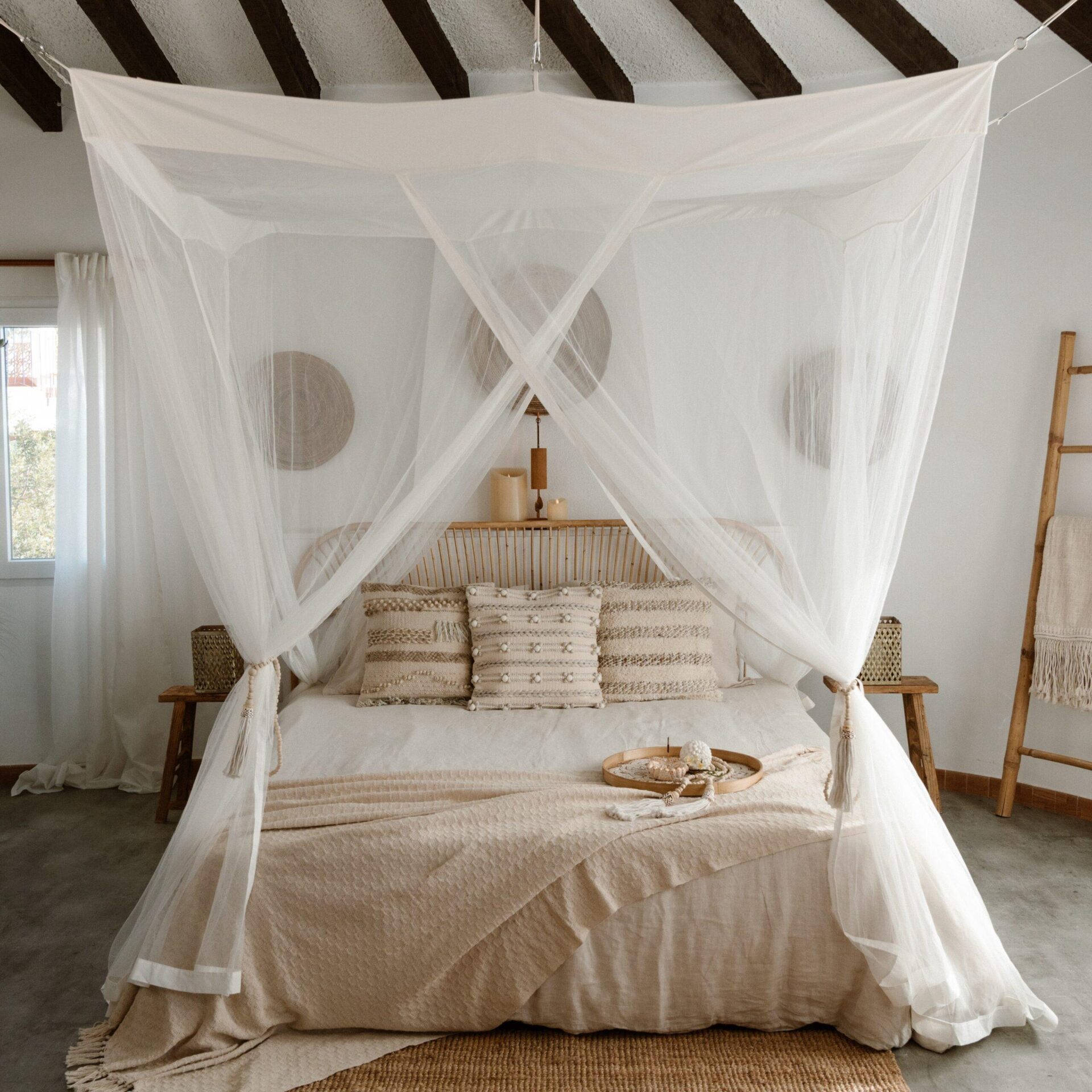
A mosquito net is usually treated as a practical object: something you hang above a bed when insects become a problem. Nusarah takes a different view. The brand approaches mosquito nets as part of the interior itself, combining protection with soft fabrics, considered proportions and a calm visual language. The result is less about adding another functional item to a room and more about creating an atmosphere in which rest, craftsmanship and natural materials belong together. That philosophy begins with the name. “Nusa” refers to an island and reflects the brand’s connection with Bali, while “Rah” stands for protection. Together, those ideas capture the balance at the heart of the collection: a sense of shelter without making a bedroom feel enclosed. It is an approach shaped by experience in fashion, design and product development, where every seam, edge and hanging point contributes to the final impression. A softer way to think about protectionGood bedroom design often depends on contrast. Straight walls, hard furniture edges and flat surfaces can make a room feel clean, but also somewhat rigid. A mosquito net introduces movement. Fabric falls from above, catches the light differently throughout the day and creates a more intimate zone around the bed. That visual effect does not remove the practical purpose. On the contrary, the two functions strengthen each other. A well-designed net can provide insect protection while becoming one of the defining elements of the room. Instead of hiding the product when it is not strictly needed, it can remain part of the setting because it contributes to the overall look. This is particularly relevant in interiors that favour natural textures, muted tones and a relaxed character. Cotton, canvas, wood and woven accessories work well together because they share a tactile quality. They do not need to match perfectly. In fact, slight differences in texture often make a room feel more personal.
Material changes the entire experienceChoosing a mosquito net is not only about size or shape. Material has a direct influence on appearance, airflow, weight and maintenance. Cotton creates a soft, natural effect. It has a certain visual weight and drapes in a way that suits bedrooms where warmth and texture matter. Nusarah uses natural cotton from Java for its cotton designs. The material is breathable and finished with details such as double cotton borders and metal rings. These elements may appear small in isolation, yet together they determine how refined the net looks once it is hanging above the bed. Polyester offers a different character. It is lighter, more crease-resistant and holds its shape well, making it suitable for people who prefer a cleaner, more structured appearance. The material can also be practical in spaces where flexibility and durability are important, including certain outdoor settings. There is no universal “best” material. The better choice depends on the room, the desired atmosphere and the way the net will be used. That is exactly why material selection deserves as much attention as colour or furniture placement. Craftsmanship is visible in the detailsMass production tends to optimise consistency and volume. Small-batch production allows more room for attention. Nusarah works with skilled makers in its own atelier in Bali, where mosquito nets are cut, sewn and checked by hand. This gives craftsmanship a visible role rather than treating it as a background process. The distinction is easy to underestimate until a large textile object is placed in a room. Because a mosquito net occupies considerable visual space, uneven lines or careless finishing quickly become noticeable. Precise stitching, balanced proportions and strong hanging points therefore influence both durability and appearance. The same philosophy extends beyond mosquito nets. Collaborations with Fair Trade workshops in India are used for products such as hammocks, with attention to safe working conditions and fair pay. The broader idea is simple: responsible production should be reflected not just in the story around a product, but in the way it is actually made. Small-batch design and a slower approach to interiorsInterior trends change quickly. A bedroom, however, is not a showroom that needs constant renewal. It is a personal space used every day, which makes longevity more valuable than novelty. Small-batch production supports that slower approach. Producing in limited quantities can reduce unnecessary overproduction and encourages more deliberate choices in materials and design. Nusarah also looks for ways to reuse leftover materials and incorporate recycled resources into parts of the wider collection. Several practical choices support the same philosophy:
These details are not especially dramatic, and that is partly the point. More responsible design often consists of many smaller decisions made consistently over time. The shape of a mosquito net mattersThe visual effect of a net changes significantly depending on how it is suspended. A round model with a single hanging point creates a flowing, relaxed silhouette. It can work especially well in smaller rooms or above beds where a simpler installation is preferred. Rectangular and square nets behave differently. Suspended from several points, they follow the architecture of the bed more closely and create a stronger sense of structure. Around a large bed or box spring, that can give the sleeping area a more defined presence without adding heavy furniture. Room architecture also deserves attention. Sloped ceilings and angled walls may seem inconvenient, but flexible suspension points make it possible to adapt a net to less conventional spaces. The aim is not to force a standard shape into every room. It is to let the textile work with the architecture that is already there. From bedroom calm to outdoor comfortThe idea of creating a protected space does not have to stop at the bedroom door. Terraces, patios, pergolas and balconies can benefit from the same combination of softness and separation, particularly during long summer evenings. Outdoor mosquito nets need to cope with different conditions. Reinforced polyester and sturdy canvas borders make more sense there than delicate indoor materials. They provide strength while still maintaining the lightness that makes a fabric enclosure feel inviting rather than heavy. Placed around an outdoor seating or dining area, the net creates a subtle boundary. It can make an open terrace feel more intimate while helping to reduce unwanted insects around the space. This is a good example of how function and atmosphere can occupy the same design decision. Styling beyond the net itselfA calm interior rarely depends on one object. The surrounding details matter just as much. Textiles, scent, colour and small decorative elements can reinforce the same atmosphere without making the room look overly coordinated. Nusarah extends its visual language into home accessories such as tassels, spreads, blankets, decorative cushions, hammocks and home fragrance products. Tassels can be used to hold mosquito-net openings aside, turning a functional gesture into a decorative detail. Cushions and throws add layers of texture, while natural materials keep the overall effect grounded. The strongest spaces usually avoid trying too hard. A few well-chosen materials repeated in different forms often create more cohesion than a large collection of decorative objects. Cotton beside wood, canvas near woven fibres, and soft fabric against clean architectural lines can be enough. Care is part of long-lasting designBuying a well-made textile product is only one part of keeping it beautiful. Maintenance matters. Airing a mosquito net regularly helps keep the fabric fresh, while cleaning should follow the care instructions for the specific material. Cotton varieties generally benefit from gentle handling, particularly when washing. Storage is equally important. A breathable cotton bag protects the fabric between seasons or during a move without introducing unnecessary disposable packaging. It also makes it easier to keep the net clean and ready for use. Long-lasting design depends on this relationship between production and ownership. Makers can choose stronger materials, careful construction and thoughtful packaging, but users also influence lifespan through cleaning, storage and everyday handling. When both sides receive attention, an interior product can remain useful and visually relevant for much longer. A room that feels considered rather than decoratedThere is a difference between filling a room and shaping an atmosphere. The first is mainly about objects. The second is about how materials, light, movement and function work together. A mosquito net illustrates that difference particularly well. It can soften the geometry of a bedroom, frame the sleeping area and create a subtle sense of privacy, all while serving a practical protective role. When combined with natural materials, careful craftsmanship and restrained styling, it becomes more than a seasonal accessory. In practice, the styling can stay understated. A cotton net can be paired with warm wood, washed linen and a few tactile accessories, while a cleaner polyester design may suit a more minimal room with sharper lines. The surrounding space does not need to imitate a resort or follow a fixed theme. It can simply use texture, proportion and gentle movement to make the sleeping area feel quieter and more personal. |